


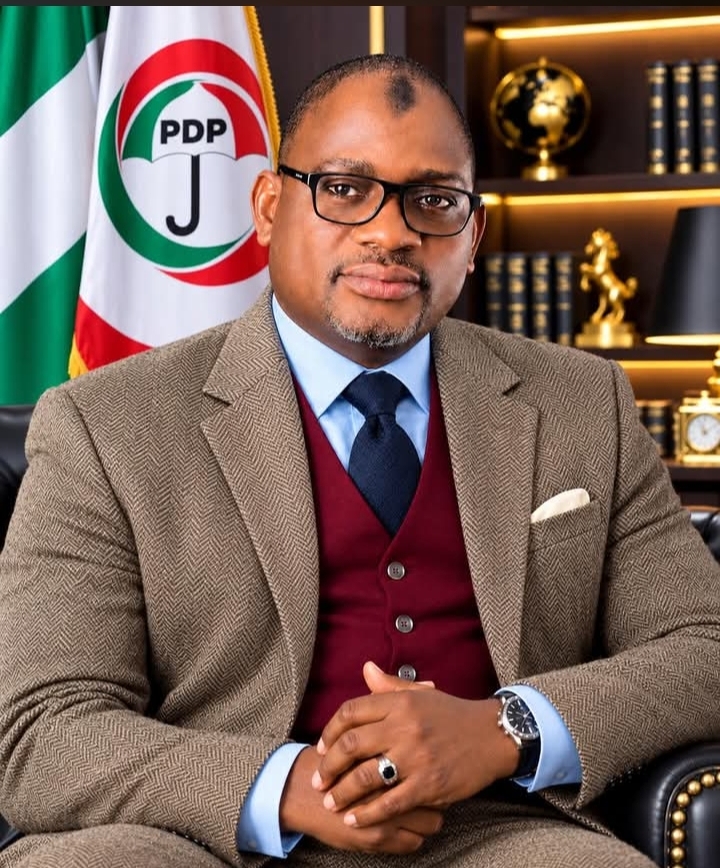
ANALYSIS:
ON WHY NIGERLITES SHOULD CONSIDER ALHAJI MUHAMMAD MAMMAN NAMI FOR GOVERNOR OF NIGER STATE IN THE 2027 GENERAL ELECTIONS.
By Yakubu Mustapha Bina
Leadership is not merely about occupying an office; it is about having the competence to make a difference, the courage to take difficult decisions, and the integrity to manage public resources in the interest of the people.
As Niger State approaches the 2027 governorship election, the search for purposeful leadership has brought the experience, professional background and political ambition of Alhaji Muhammad Mamman Nami into the spotlight.
For a state blessed with abundant human and natural resources, the question before the electorate is not simply who wants to become governor, but who possesses the experience, discipline, vision and administrative capacity to translate the state’s enormous potential into tangible benefits for its people.
Against this backdrop, Alhaji Muhammad Mamman Nami, the governorship candidate of the People’s Democratic Party (PDP) has emerged as a political figure seeking to offer Nigerlites an alternative in the race for the state’s highest political office.
But beyond the political excitement surrounding his emergence, who exactly is Mamman Nami? What does his professional journey tell us about his capacity for leadership? And how might his experience in public service translate into better governance for Niger State?
To appreciate the man and the arguments surrounding his candidacy, it is important to examine his background, professional accomplishments, leadership experience and vision for the state.
Alhaji Muhammad Mamman Nami was born on February 2, 1968, in Nami, his hometown in Agaie Local Government Area of Niger State. From these roots emerged a professional accountant, tax administrator, management expert and public servant whose career would eventually take him to the highest levels of Nigeria’s tax administration system.
Nami’s professional journey reflects years of experience in auditing, taxation, financial management, consultancy and administration. His supporters believe that this combination of professional expertise and public-sector experience provides a foundation upon which he could build his ambition to govern Niger State.
His candidacy therefore presents an opportunity to examine an important question in democratic governance: can experience in managing a major public institution be translated into effective leadership at the state level?
For Nigerlites, the answer will depend not only on his record but also on the policies, priorities and practical solutions he presents to the electorate.
However, since his emergence as the PDP governorship candidate, Nami has attracted considerable political attention in Niger State. His candidacy has generated conversations among party supporters, political observers and residents interested in the direction of the state’s political future. But for his supporters, his emergence represents an opportunity to introduce a different approach to governance, one that places greater emphasis on professional competence, accountability, institutional discipline and measurable results.
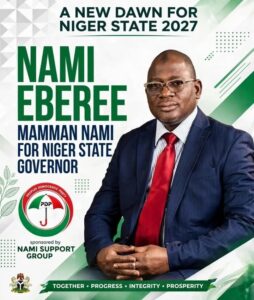
The political atmosphere surrounding his candidacy has also intensified competition among political parties. The ruling All Progressives Congress, APC, and other political stakeholders will be expected to explain their records, defend their achievements and convince voters that their respective programmes can address the challenges confronting the state. Ultimately, ‘a healthy democracy thrives when competing candidates present credible ideas and allow citizens to make informed choices’.
Nami’s emergence has therefore added another dimension to the political contest ahead of the 2027 governorship election. However, the strength of his candidacy will depend on his ability to turn public attention into a convincing programme for development.
Beyond professional qualifications and public office, leadership is also judged by character, temperament and the ability to relate respectfully with people from different backgrounds. Nami is described by his supporters as humble, calm, approachable and respectful of elders and traditional institutions. They also point to his measured public disposition and preference for avoiding unnecessary confrontations as attributes that could serve him in a demanding political environment.
His supporters further maintain that he values loyalty, encourages those around him and remains composed during difficult political circumstances. These qualities, if consistently demonstrated in public office, can contribute to an atmosphere of mutual respect, institutional stability and constructive engagement.
However, character must ultimately be assessed through conduct, while leadership must be judged by decisions and outcomes. Nigerlites will therefore be looking for evidence that these personal attributes can translate into inclusive governance, respect for the rule of law and responsible management of public resources.
His political experience, including his involvement in the contest for the Niger South Senatorial District, also forms part of the background against which his supporters assess his resilience and commitment to public service.
Alhaji Muhammad Mamman Nami is a Nigerian accountant, management professional and tax administrator with extensive experience in auditing, taxation, advisory services and organisational management.
He began his professional career with PKF in 1993, where he rose to the position of Senior Consultant, with responsibilities that included tax management and advisory services.
He subsequently became the Managing Consultant of Manam Professional Services, a firm of chartered tax practitioners and advisers with offices in Kaduna, Abuja and Kano.

Beyond consultancy, Nami has been involved in business ventures spanning agriculture, the power sector, real estate development and advisory services. In November 2017, he was appointed by former President Muhammadu Buhari as a member of the Presidential Committee on the Audit of Stolen Assets. In 2019, he was appointed Executive Chairman of the Federal Inland Revenue Service, FIRS, the federal agency responsible for administering taxes and collecting revenue accruing to the Federal Government of Nigeria.
His appointment to lead FIRS placed him at the centre of an important aspect of national economic management: mobilising revenue to finance government responsibilities. However, for a state such as Niger, where citizens expect improved infrastructure, education, healthcare, agricultural development and economic opportunities, the ability to manage revenue and deploy public funds responsibly is an important consideration in choosing a governor.
Nevertheless, state governance extends beyond taxation. It requires a comprehensive understanding of local government administration, security, public infrastructure, education, healthcare, agriculture, investment promotion and the everyday needs of ordinary citizens.
Nami’s professional background provides relevant experience, but the ultimate test will be how effectively he can apply that experience to the specific realities of Niger State. One of the most significant chapters in Nami’s professional career was his tenure as Executive Chairman of FIRS.
During his time at the agency, he was associated with efforts to improve revenue mobilisation, expand the tax base, strengthen compliance and introduce technology-driven administrative reforms. These initiatives were aimed at making tax administration more efficient, improving engagement with taxpayers and reducing revenue leakages.
The results reported during his tenure provide an important part of the case his supporters make for his candidacy. In 2020, when the COVID-19 pandemic disrupted economic activities and placed significant pressure on businesses and government finances, FIRS narrowly missed its annual revenue collection target, according to accounts of the agency’s performance during that period.
Revenue collection subsequently improved, with FIRS recording new collection milestones in 2021, 2022 and 2023. Nigeria’s tax-to-GDP ratio was also reported to have increased from approximately six per cent in 2019 to 10.86 per cent in 2022. The figures and the extent to which the improvement was attributable to specific reforms should be assessed against official fiscal data.
Nami’s tenure also featured greater automation of tax administration processes, efforts to improve filing compliance and measures intended to strengthen transparency and accountability. His supporters argue that these developments demonstrate his ability to lead a large institution, introduce reforms and pursue measurable administrative objectives.
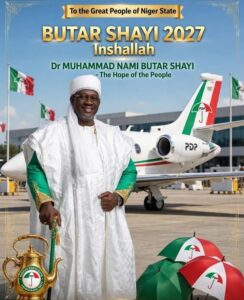
For Niger State, the relevant question is how such experience could be adapted to improve internally generated revenue without placing unnecessary burdens on low-income residents and small businesses. Apparently, a successful state revenue policy must balance increased revenue mobilisation with economic growth, fairness, transparency and the protection of vulnerable households.
If elected, Nami would need to demonstrate how his experience at the federal level could help Niger State improve its finances while ensuring that public revenue produces visible benefits for the people, just like while serving as Executive Chairman of FIRS, Nami also served as Chairman of the Joint Tax Board, an important platform for cooperation among tax authorities in Nigeria.
During his tenure, he held leadership roles in international tax administration, including Chairman of the African Tax Administration Forum and President of the Commonwealth Association of Tax Administrators. These responsibilities gave him opportunities to engage with tax administrators and public-sector professionals beyond Nigeria. Such experience may provide useful insights into institutional management, policy coordination, international cooperation and the adoption of administrative best practices.
However, the real value of international exposure lies in its practical application. Nigerlites will want to know how lessons acquired from these responsibilities could improve state institutions, encourage investment, create employment and strengthen the delivery of public services.
Leadership credentials are important, but their greatest value is demonstrated when they produce practical results for citizens. Nami’s academic and professional background includes studies at Bayero University, Kano, and Ahmadu Bello University, Zaria, where he obtained a bachelor’s degree in Sociology in 1991 and a Master of Business Administration in 2004, respectively.
His educational history also includes attendance at JIPO One Primary School in Agaie, Government Secondary School, Suleja, and Zungeru College of Advanced Studies, where he undertook studies associated with the Interim Joint Matriculation Board Examination programme. In addition to his academic qualifications, Nami has developed a professional profile through membership and fellowship of several institutions.
He is a Fellow of the Chartered Institute of Taxation of Nigeria, the Association of National Accountants of Nigeria and the Capital Market Academics of Nigeria. He is also an Associate of the Nigerian Institute of Management, the Chartered Institute of Stockbrokers and the Institute of Chartered Accountants of Nigeria.
His professional development continued after his tenure at FIRS. In 2026, he reportedly completed executive programmes at Harvard Kennedy School, earning an Executive Certificate in Public Leadership. The programmes included Leadership in Crises, Leading Economic Growth and Senior Executive Fellows.
For a prospective governor, continuous learning is important because the challenges of public administration are constantly evolving. Nevertheless, academic and professional credentials must complement, rather than replace, a clear development agenda, practical experience and a commitment to accountable government.
Nami’s professional work has attracted several awards and recognitions over the years. Among the honours attributed to him are the Excellence in Public Service award conferred by former President Muhammadu Buhari in 2022, the LEADERSHIP Newspaper Public Servant Award in 2022, the BusinessDay Newspaper Excellence in Public Service Award in 2022 and the Daily Independent Newspaper Public Sector Icon of the Year award in 2022.
He was also recognised by Al-Jazirah Newspaper as Africa’s Public Servant of the Year for 2019–2022, while the Institute of Chartered Accountants of Nigeria named him a recipient of its Merit Award in 2023. Other reported recognitions include the Man of the Year 2023 award from The Top 10 Magazine and the Outstanding Service to Taxation Profession Award from the Chartered Institute of Taxation of Nigeria in 2025.
These honours form part of the record presented by his supporters as evidence of professional achievement and public-service recognition. The individual awards, their official titles and the awarding organisations should be verified before broadcast.
Ultimately, awards can acknowledge achievement, but the enduring measure of public service is the quality of institutions left behind and the difference made in people’s lives. Another aspect of Nami’s public profile highlighted by his supporters is his reported commitment to youth and women’s empowerment. They point to assistance provided to individuals seeking professional advancement and opportunities during and after his tenure at FIRS.
His supporters also describe him as someone who values personal relationships, remembers those who have supported him and remains accessible to people within his network.
Yet, for a governorship candidate, empowerment must extend beyond personal assistance and individual connections. It must become a sustainable public policy that creates opportunities for the wider population.
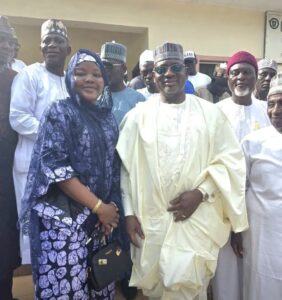
Niger State needs practical strategies for youth employment, vocational training, entrepreneurship, women’s economic participation, agricultural productivity and support for small and medium-sized businesses. The electorate should therefore expect Nami to explain how his experience, networks and resources could be translated into transparent programmes that benefit communities across the state, regardless of political affiliation.
The objective should be to build systems that create opportunities for people, rather than programmes that depend solely on access to an individual leader.
Niger State possesses considerable agricultural potential, mineral resources, land and human capital. Yet, like many states, it faces the challenge of translating these advantages into broad-based development and improved living standards. Citizens reasonably expect a government that can improve access to quality education and healthcare, strengthen security, expand economic opportunities, maintain roads and other infrastructure, support farmers and manage public resources responsibly.
It is against these expectations that every governorship candidate should be assessed. Nami’s supporters believe his background in financial management, taxation and public administration gives him a useful foundation for addressing some of these challenges. His experience at FIRS could inform policies on revenue generation, expenditure management, financial accountability and the effective use of available resources.
However, the circumstances of a state government differ from those of a federal revenue agency. Governing Niger State would require collaboration with local governments, traditional institutions, community leaders, civil society, the private sector and the state’s diverse population.
It would also require a clear understanding of the different needs of rural and urban communities, including those in areas affected by insecurity, limited infrastructure and inadequate access to public services. Nami must therefore demonstrate that he understands these realities and has practical, costed and measurable proposals to address them.
His candidacy offers Nigerlites an opportunity to examine whether his professional experience can be translated into a credible programme for inclusive development. Democracy thrives when citizens have meaningful alternatives and the freedom to choose their leaders based on policies, character, competence and performance.
The emergence of competing candidates is therefore an important part of the democratic process. It allows voters to compare different visions, question established political arrangements and demand better standards of public service.

Nami’s decision to seek the governorship under the PDP platform adds another option to the choices before Nigerlites. But an alternative candidate must do more than criticise the incumbent administration. He must demonstrate what he intends to do differently, how he will finance his plans, which priorities he will pursue first and how citizens will measure his performance.
The PDP, on its part, must show that it possesses the organisation, policy depth and political discipline required to convert its campaign promises into effective governance. Similarly, the APC and other political parties should be prepared to defend their records and explain how their policies have addressed the needs and concerns of the people.
The ultimate beneficiaries of credible political competition should be the citizens, whose votes provide the mandate for governance.
As the 2027 governorship election approaches, Nami’s professional background and experience in public service will remain important elements of the debate surrounding his candidacy.
Nigerlites should see in him a financial expert, an experienced administrator and a leader whose career has exposed him to the complexities of managing a major public institution.
Voters should believe that his record at FIRS, professional qualifications, administrative experience and continued executive training could be useful assets in the task of governing Niger State.
Even though the transition from federal public service to state leadership is not automatic. Success will depend on the quality of his policies, the strength of his team, his ability to build consensus and his willingness to subject government decisions to public scrutiny.
Nigerlites should therefore examine his proposed manifesto carefully. They should seek clear commitments on security, education, healthcare, agriculture, infrastructure, job creation, public-sector reform and the responsible management of public funds. They should also demand measurable targets, realistic timelines and mechanisms through which the government would report progress to the public. That is how political promises can become a practical contract between a candidate and the electorate.
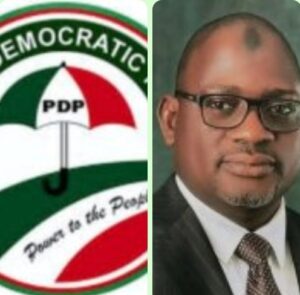
In conclusion, as the saying goes, the proof of the pudding is in the eating.
Alhaji Muhammad Mamman Nami enters the 2027 governorship race with a professional history that his supporters believe distinguishes him from other contenders. His years in taxation, financial management, consultancy and public administration provide a basis for considering his candidacy, while his proposed policies will determine whether that experience can meet the expectations of Nigerlites.
His ambition presents both an opportunity and a responsibility: an opportunity to offer a different approach to governance, and a responsibility to explain clearly how that approach would improve the lives of the people.
The task ahead is not simply to win an election, but to earn public trust and demonstrate that political leadership can deliver tangible, inclusive and sustainable development.
For Nami, the challenge is to convince the electorate that his experience can be translated into practical measures to propel Niger state to greatness in all ramifications. Join the ban wagon or the moving train crushes you.
By Yakubu Mustapha Bina is a Journalist and Public Affairs Analysis in Minna Niger state.




Comments are closed