


Niger: Vatsa Warns APC Against Imposition of Candidates As Concensus
By YM Bina
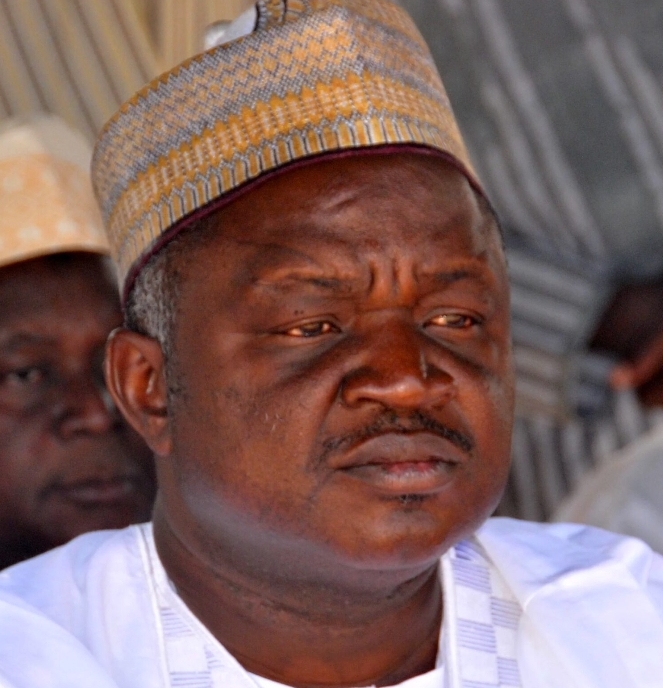
A chieftain of the ruling All Progressive Congress (APC) in Niger State, Jonathan Tsado Vatsa has warned the ruling party to desist from imposition of candidates by hinding under concensus at the detriment of the electorates as 2027 general elections come closer.
The former Commissioner for Information, Culture and Tourism, made this known while speaking to journalists in Minna on political developments in the country, noting that the ongoing anti-people arrangements called consensus would hurt the APC at the general elections.
He warned that any attempt by the APC at all levels not to allow a seamless political process to take place would spell doom for the party as the people would wait for them at the polling booths in 2027. “You can only rig elections when the people are with you,” he said.
The former state publicity secretary of the party insisted that Nigerians must be allowed through a transparent democratic process and norms to be able vote out non-performing leaders, warning that strangulating opposition parties and turning around to impose candidates on the people is an invitation to anarchy.
According to Vatsa, “Non performing leaders should not have a place in the political space in 2027. People should be allowed to vote such leaders out at all levels.”
On the ongoing crisis within the opposition parties in the country, Mr Jonathan Vatsa cautioned that strangulating the opposition parties is not democracy but dictatorship which he believes is not healthy for the country’s hard-earned democracy.
“When you strangulate opposition parties to create one party state, you are inviting serious anarchy. People will resist it because one party state is not in our constitution, it is strange to our politics
According to him, APC should have itself to blame for finding itself in this desperate situation, stressing that “we made some wrong decisions and that is why we find ourselves in this desperate situation.”
He emphasized that this is the richest government since the return of democracy in 1999, yet Nigerians don’t feel the impact at all levels. He added that “there is excess money but excess poverty in the land.




Comments are closed