


FEATURE:
How Gov Bago Hits the Ground to Quiet the Guns in Niger State
By YM Bina
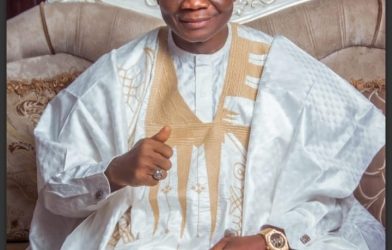
Farmer Governor, Mohammed Umaru Bago drove into grief this week with sirens, soldiers, and a message that could not be louder. Peace must return to Niger, and it will not wait for Abuja or for tomorrow.
For weeks, blood has been spilled across three emirates. In Rafi, Fulani and Kamuku, youths clashed until homes burned and bodies laid in the dust. In Borgu, Fulani, Kambari, Boko and Barigawa communities turned on each others in reprisal attacks that left families mourning. In Kontagora, whispers of banditry, kidnapping, cattle rustling and the dreaded Lakurawa terrorists have kept farmers awake at night and children out of school. Hope was thinning. So the governor went
there himself.
He did not send a delegation. He arrived with security chiefs, walked into palaces, sat on the floor with emirs, and listened to victims whose voices had been drowned by gunshots. From Kagara to New Bussa to Kontagora, the mission
was to restore confidence, name the problem, and force everyone to choose peace or face the law.
At the Palace of the Emir of Kagara, Alhaji Ahmad Garba Attahiru II, the
governor stood before a hall still heavy with losses and called the clash unfortunate and avoidable. He did not mince words about what fueled it. According to him, land grabbing by some title holders and the violent excesses of some vigilante members poured petrol
on old grievances. His directive was swift. Those identified must report
to Police Headquarters in Minna or be picked up. “No one is above the law,” he said. Politicians were not spared. He warned those who use supporters to instigate crisis to desist immediately. Then came a new rule for the emirate. No land is to be sold without clearance from government through the Emirate Council.
He believes cutting off illegal land deals will cut off one major trigger of violence. To cushion the pain, the state government announced N1,000,000 each for families of those killed, for the hospitalized, and for homes destroyed in the clash. Beyond money, he asked the
Emir to appoint district and ward heads from all tribes in the emirate. Inclusivity, he said, is the antidote to “us versus them.”
The Emir thanked the governor for coming in person and promised the council would work with the local government chairman and other stakeholders to ensure it does not happen again.

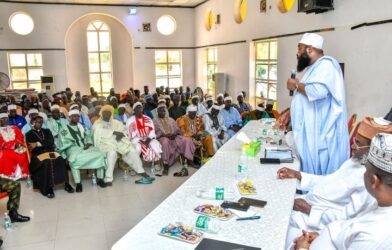
Two days later, the convoy rolled into Borgu. At the palace of the Emir of Borgu, Muhammad Sani Haliru Dantoro Kitoro III, the governor met representatives of Fulani, Boko, Kambari and Barigawa communities. The stories were the same. Farms destroyed, lives
lost, trust broken. Governor Bago
described the clashes as shameful,
especially at a time when the state is already battling insecurity. “We should be restoring sanity, not making matters worse,” he told the gathering. He appealed for calm and noted that with concerted efforts alongside the federal government, insecurity has reduced significantly across parts of the state.
To address what is left, he ordered the
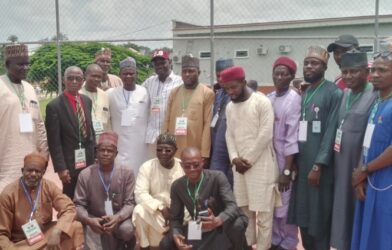
immediate constitution of a peace and reconciliation committee to dig into the root causes in Borgu. He also urged residents to obey the law and respect each other’s right to live.
The Emir, for his part, appreciated the governor’s tireless intervention and admitted that progress has been recorded. But he asked for more. He also warned against fake news merchants on
social media who thrive on panic.
The Minister of State for Agriculture,
Senator Abdullahi Sabi Aliyu, and the member representing Agwara/Borgu Federal Constituency, Jafaru Mohammed, both called on the people to live together as brothers as taught by their faiths. Representatives of the Fulani, Kambari and Boko communities
pledged to give peace a chance and
praised the emir’s fatherly role and the governor’s leadership.
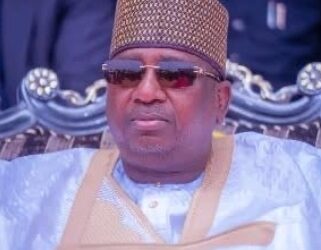
In Kontagora, the tone shifted slightly to development and unity. At the palace of the Sarkin Sudan, Alhaji Muhammad Mu’azu Barau II, the governor acknowledged the emir’s efforts in holding the emirate together and called for more tolerance. He also cautioned
traditional title holders involved in land grabbing to stop, warning that his administration will not tolerate it. He briefed the emir on the state government’s determination to rid Niger of insecurity and thanked security agencies for their sacrifices.
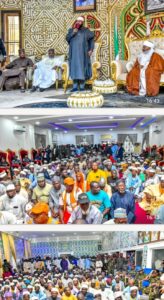
The Sarkin Sudan responded with appreciation for the ongoing
reconstruction of Kontagora township roads and other projects, pledging continued support for the governor’s people-oriented agenda.Between the visits, a fire broke out online. A report went viral alleging that Governor Bago had sacked all Fulani district heads,
the Ardos, and replaced them with Nupe chiefs.
The government moved fast to kill it. In a statement, the governor’s spokesman, Malam Bologi Ibrahim, described the claim as malicious, fabricated and mischievous. “It is absolute distortion of facts,” the statement read. The governor never issued such a directive and traditional institutions continue to operate under lawful emirate structures.
The spokesman said the false story
is part of a syndicated attempt by partisan elements and biased online platforms to exploit security challenges for sensationalism and to create ethnic tension. He urged Nigerlites and Nigerians to disregard it, stressing that the government remains committed to
protecting all residents irrespective
of tribe, religion or background.
The message across the three emirates was consistent. Tribal bigotry is dangerous. Taking laws into your hands will cost you. Peace is not optional if Niger must grow. And government is watching, both on the ground and online.
As the governor’s convoy left each palace, the expectation was clear. The committees must work, the police must act, the emirates must be inclusive, and the people must choose to farm together instead of fighting over land. In a state where farmers and herders have clashed for years, and where bandits and
Lakurawa threats still linger, that choice will determine whether the next harvest is measured in bags of gain or in body bags.



Comments are closed