


Niger State Partners UK to Set Digital Transformation Roadmap
By YM Bina
Niger State Government and the United Kingdom Foreign, Commonwealth and Development Office (FCDO) have strengthened their partnership on digital transformation with stakeholders in the state.
It identified six thematic areas to guide the development of a comprehensive roadmap for advancing digital inclusion, innovation, connectivity and digital public services across the state.
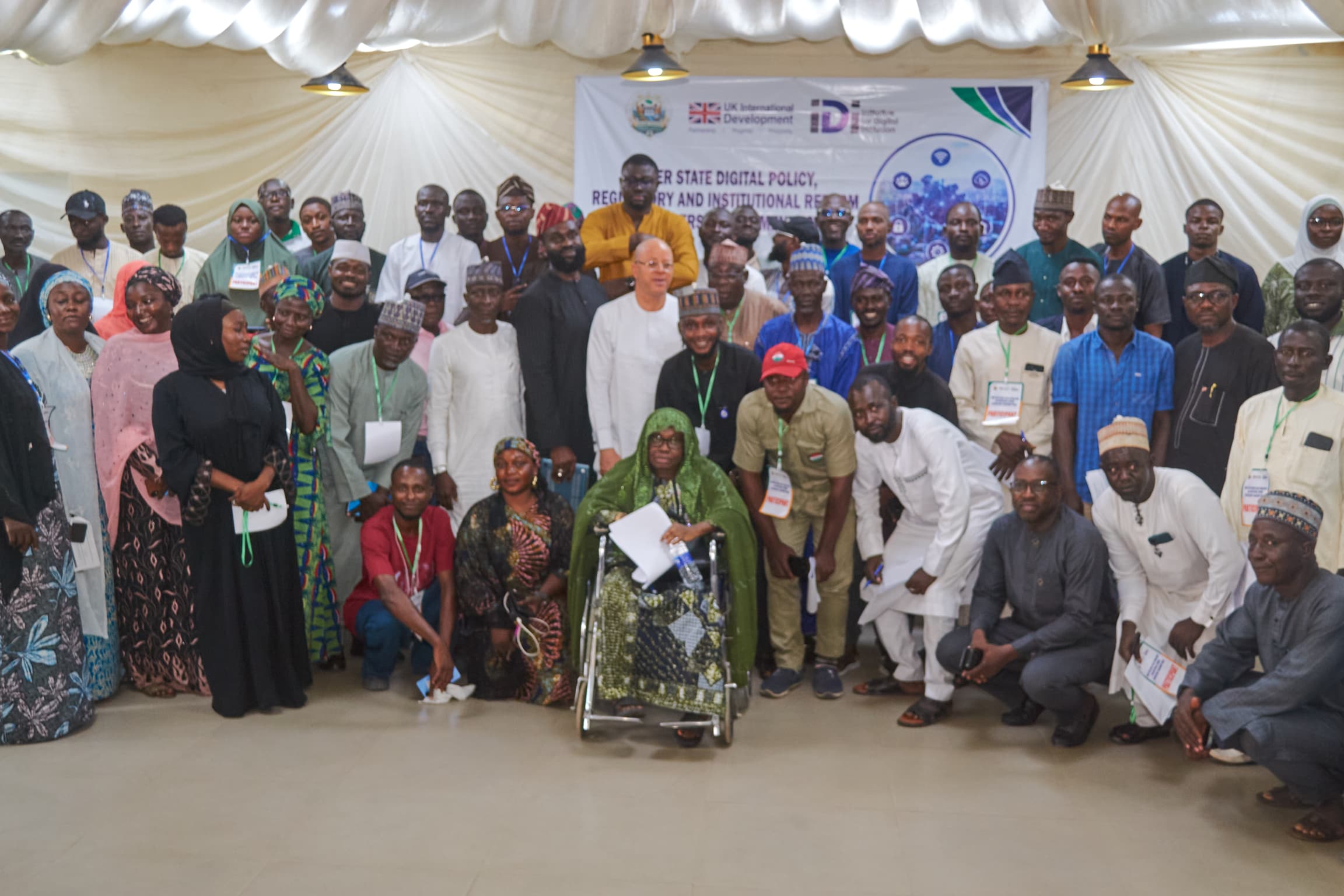
The six thematic areas emerged from a stakeholders’ engagement forum on the Niger State Digital Policy, Regulatory and Institutional Reforms Project (SPRIRET), supported by the United Kingdom’s Foreign, Commonwealth and Development Office (FCDO) through the UK Government’s Digital Access Programme and being implemented by the Initiative for Digital Inclusion, IDI.
The forum brought together representatives of government, the private sector, civil society organisations, development partners, academia and other stakeholders to examine the opportunities and challenges confronting Niger State’s digital ecosystem and collectively determine priority areas requiring policy, regulatory and institutional interventions.
Following the deliberations, the broad areas of focus were crystallised into six thematic areas that will constitute the roadmap for the SPRIRET project: Digital Infrastructure and Access; Digital Economy Strategy; Civic Technology; Digital Public Infrastructure; Connectivity Reform; and Digital Literacy and Skills Development.

Speaking, the Director-General of the Niger State Information Technology and Digital Economy Agency (NSITDEA), Suleiman Isah, stressed the importance of placing citizens at the centre of the state’s digital transformation agenda.
He emphasised the need for digital transformation to go beyond infrastructure and technology to address inclusion, awareness, digital literacy and the ability of citizens to meaningfully participate in the emerging digital economy.
Isah further called for stronger collaboration between the digital economy sector and the Niger State Ministry of Information and Orientation, particularly in the areas of public awareness, digital literacy, strategic communication and citizen engagement.
In his welcome address, the Project Director, Mr. Osundo Nwokoro who described SPRIRET as the next phase of Niger State’s digital transformation journey, building on the foundation established through the State-Level Skilling, Inclusion and E-Governance Support Project (SITEP).
He explained that SPRIRET would build on these foundations by supporting the state to translate identified gaps and opportunities into practical reforms, strategies and institutional mechanisms capable of producing sustainable digital development.
The Project Director said the stakeholders’ engagement was therefore designed not merely as a consultation, but as a platform for collective ownership of the state’s digital transformation priorities.

He explained that the contributions from participants would help shape the diagnostic assessment, strategies, reform frameworks and implementation mechanisms to be developed under the project.
Digital Infrastructure and Access will address the availability, affordability and accessibility of the infrastructure required to support wider digital participation, particularly in underserved communities.
Digital Economy Strategy will focus on establishing a strategic framework for harnessing technology, innovation and digital entrepreneurship as drivers of economic growth, investment and job creation.
Civic Technology will explore opportunities for using digital tools to strengthen citizen participation, access to government information, feedback mechanisms and engagement between citizens and government.
Connectivity Reform will examine policy and regulatory measures necessary to improve connectivity, remove barriers to digital access and create a more enabling environment for digital expansion.
The engagement further underscored the importance of strong institutions, responsive policies, skilled personnel, reliable infrastructure and sustained stakeholder participation as essential building blocks for a digitally enabled Niger State.

The United Kingdom’s support through the Digital Access Programme, Initiative for Digital Inclusion IDI, reflects its broader commitment to promoting inclusive and sustainable digital development, with technology recognised as an important instrument for economic growth, improved public service delivery, citizen participation and social inclusion.
The stakeholders’ engagement therefore marked an important step in moving Niger State’s digital transformation agenda from broad policy aspirations towards a structured and jointly developed roadmap anchored on six thematic priorities.
Participants were encouraged to sustain their contributions beyond the engagement and support the translation of the emerging frameworks into practical interventions, measurable outcomes and tangible benefits for citizens across the state.








Comments are closed